
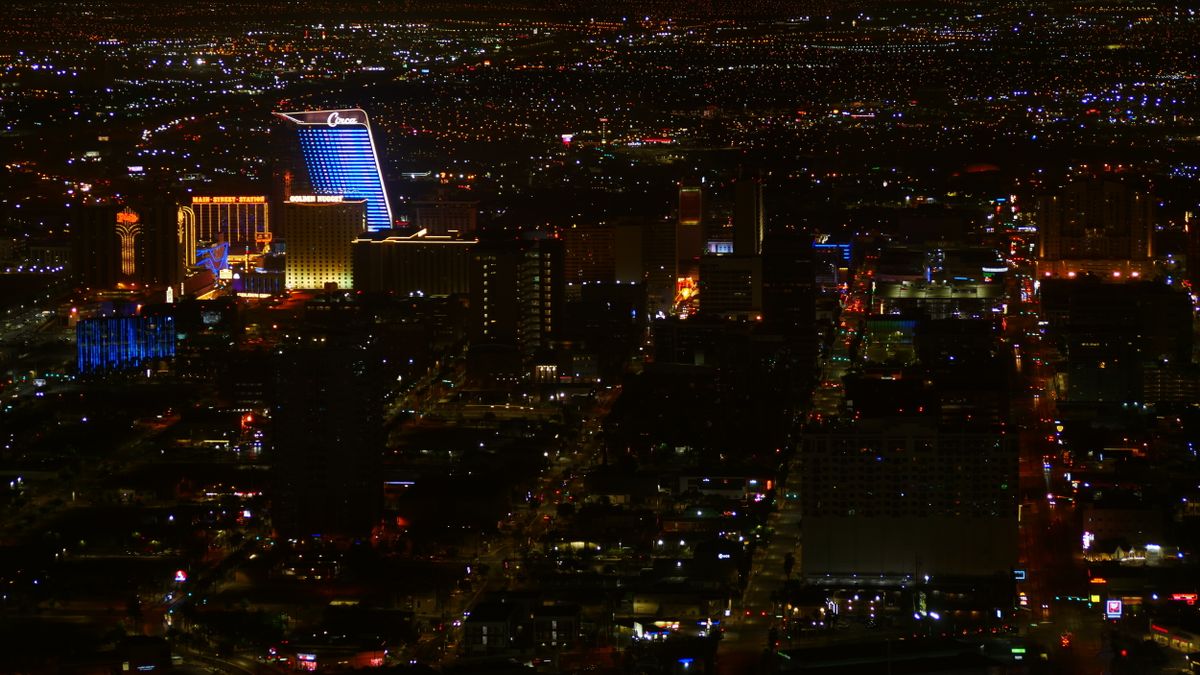
Today, Las Vegas is widely considered one of the premier tattoo destinations in the world. Walking down the Strip, you will see massive neon signs advertising world-class studios inside billion-dollar casino resorts.
But it wasn’t always this way.
The history of tattooing in Las Vegas is a gritty, fascinating tale of outlaws, strict health department crackdowns, and a massive cultural shift that turned a stigmatized underground practice into a luxury attraction.
The Early Days: The Underground Scene
Before the 1990s, tattooing in Las Vegas was largely a hidden industry. Unlike port cities like San Francisco or Honolulu, which had thriving maritime tattoo cultures dating back to the early 1900s, Las Vegas was an isolated desert town focused on gambling and mob-run casinos.
For decades, the Las Vegas establishment viewed tattoos as the mark of bikers, criminals, and sailors. Casinos wanted a polished, glamorous image (the Rat Pack era). Tattoos were bad for business.
Consequently, early tattooing in Vegas was pushed to the fringes. Artists operated out of garages, transient motel rooms, or back-alley shops far off the Strip. These early pioneers were true outlaws of the art form, laying down heavy American Traditional panthers and eagles for the bikers and locals who sought them out.
The Health Department Crackdown
As the population of Las Vegas exploded in the 1980s and early 90s, the underground tattoo scene grew with it. However, the lack of regulation led to severe public health concerns regarding the transmission of bloodborne pathogens like Hepatitis.
The Clark County Health District stepped in. Instead of outright banning the practice (as some cities like New York did for decades), Las Vegas implemented some of the strictest health and safety regulations for tattooing in the country.
- Shops were required to operate like medical clinics.
- Autoclave sterilization became mandatory.
- Artists had to pass bloodborne pathogen training and secure health cards.
While this forced many of the underground “scratchers” out of business, it legitimized the industry. Las Vegas became a beacon for safe, professional tattooing.
The 1990s: Moving Toward the Mainstream
In the mid-1990s, the culture began to shift. The rise of grunge, punk rock, and extreme sports brought tattoos into the mainstream consciousness. Las Vegas, always desperate to capture youth culture and tourist dollars, started to notice.
Tattoo shops slowly began to open closer to the Strip, moving from industrial parks into commercial strip malls. The quality of the art skyrocketed. Instead of just traditional flash, artists began offering large-scale Japanese work, black-and-grey Chicano style, and early attempts at photorealism.
The 2000s: The “Ink” Explosion
The true turning point for Las Vegas tattooing came in the 2000s, heavily influenced by reality television. Shows like Miami Ink and Inked proved that tattooing was a high-end art form, and the public’s appetite for custom ink became insatiable.
Las Vegas casinos finally realized that tattoo studios could be massive revenue generators.
- The Casino Era: Legendary artists like Mario Barth and Carey Hart opened massive, luxurious tattoo studios directly inside major resorts like Mandalay Bay, the Hard Rock, and The Mirage.
- These weren’t dark, intimidating biker shops; they were bright, sterile, high-end boutiques where tourists could drop thousands of dollars on custom art alongside buying a Rolex or playing blackjack.
Las Vegas Tattooing Today
In 2026, the Las Vegas tattoo scene is arguably the most competitive and diverse in the world.
- The Conventions: Las Vegas hosts some of the largest tattoo conventions on the planet, drawing thousands of artists from Europe, Asia, and South America to compete and showcase their work.
- The Specialists: The city is no longer just for quick walk-in souvenirs. It is home to hyper-specialists. Specialized studios in the Arts District boast rosters of artists who focus entirely on niche styles—from Coraline Inskeep’s occult blackwork to Tony Brumbaugh’s horror realism.
- The Arts District: While the Strip caters to the high-end tourist market, the Downtown Las Vegas Arts District has become the cultural heart of the local tattoo scene, offering private, bespoke studios for serious collectors.
Conclusion
The evolution of tattooing in Las Vegas perfectly mirrors the evolution of the city itself. It started as an outlaw, underground operation, was aggressively regulated and cleaned up, and eventually transformed into a highly commercialized, world-class luxury experience.
When you get a tattoo in Las Vegas today, you are participating in a rich history of desert outlaws and visionary artists who forced the world to recognize tattooing as fine art.