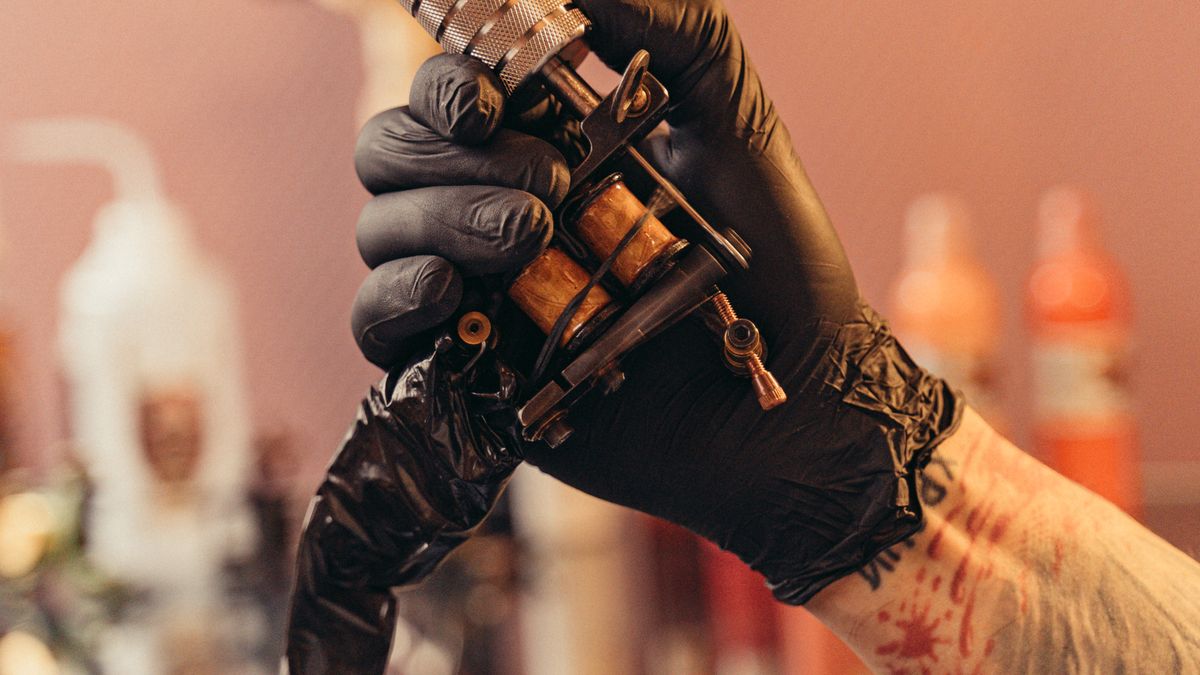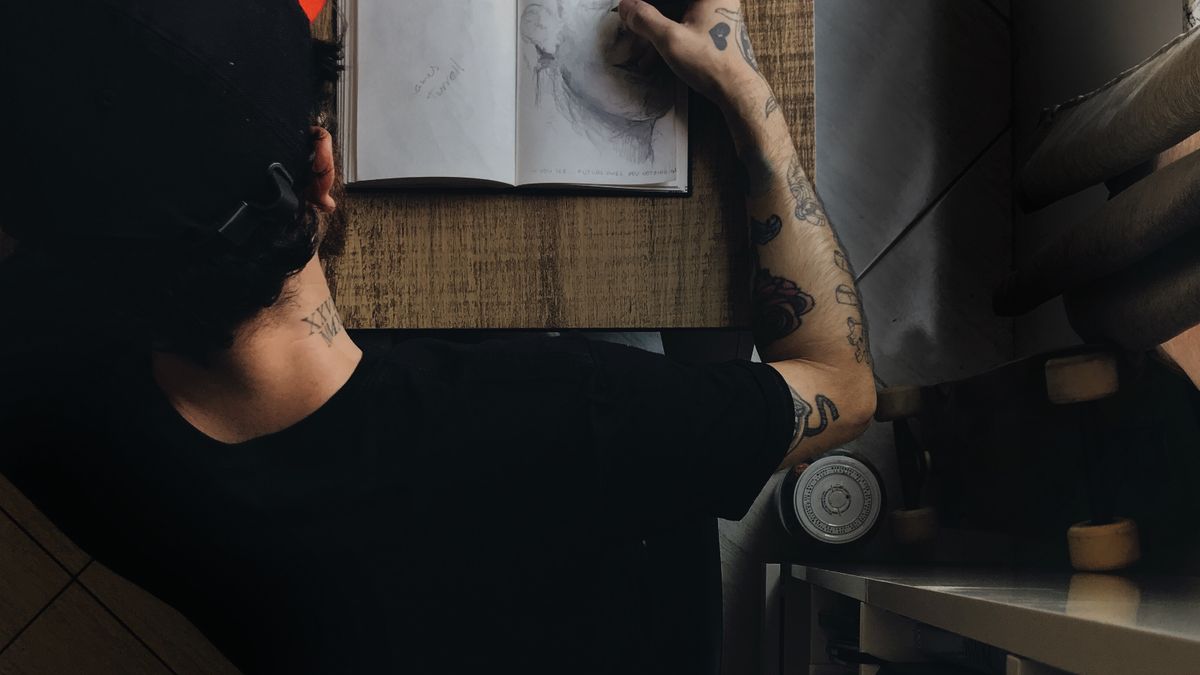
Booking a tattoo consultation is the vital first step in getting a high-quality, custom piece of art. Whether you are planning a massive back piece with a realism expert or a delicate floral sleeve, the consultation is where the foundation of the tattoo is built.
In a bustling market like Las Vegas, artists are busy. Arriving at a consultation unprepared wastes their time and severely limits the quality of the final design.
Use this comprehensive checklist to ensure you are fully prepared for your tattoo consultation.
1. What to Bring with You
Never show up empty-handed and say, “I don’t know, just draw something cool.” You must give the artist a starting point.
- Reference Photos: Bring 3 to 5 images that capture the vibe of what you want. These do not have to be tattoos. They can be photographs, paintings, or statues.
- Photos of the Artist’s Own Work: If you booked an artist because you loved a specific wolf they tattooed last year, bring a screenshot of it. This tells the artist exactly which style of theirs you are drawn to.
- Photos of What You DO NOT Want: Sometimes, showing an artist what you hate is just as helpful. (e.g., “I like this rose, but I hate how dark the shading is on this one.”)
- A Budget: Be honest about what you can afford. If you have a hard cap of $800, the artist needs to know so they can scale the design appropriately.
2. Questions to Ask the Artist
The consultation is a two-way street. You are interviewing them as much as they are interviewing you.
- “Does this design work well with my body anatomy?” A good artist will tell you if your idea will look warped or strange on the specific body part you chose.
- “How will this age in 10 years?” If you are asking for tiny, cramped details, a reputable artist will warn you that it will blur together over time.
- “What is your hourly rate vs. your day rate?” Clarify the pricing structure before you agree to anything.
- “Do you require a deposit, and is it refundable?” (Note: Almost all deposits in Las Vegas are non-refundable and go toward the final cost of the tattoo).
- “How many sessions will this take?” Large pieces (like sleeves) take multiple sessions spaced weeks apart. Ensure you can commit to the timeline.
3. Physical Preparation for the Consultation
While you aren’t getting tattooed today, the artist still needs to interact with your canvas.
- Wear Accessible Clothing: If you are discussing a thigh tattoo, wear shorts so the artist can take a photo of your leg and measure the area.
- Be Clean: Basic hygiene is required.
- Don’t Shave Yet: You do not need to shave the area for a consultation; the artist will handle that on the day of the actual tattoo.
4. Red Flags to Watch Out For
Las Vegas has incredible artists, but it also has “scratchers” looking to make a quick buck off tourists. If you experience any of these red flags during your consultation, walk away:
- They agree to everything without input. If you ask for a wildly complex design crammed into a two-inch space and they say “Sure, no problem” without explaining how it will age, they care more about your money than the art.
- The shop is dirty. Look at the floors, the corners, and the artists’ stations. If it looks like it hasn’t been mopped, leave.
- They are dismissive or rude. You are paying a premium for a permanent service. If the artist acts like your questions are an annoyance, find an artist who respects their clients.
- They refuse to show healed work. A portfolio full of fresh, bloody tattoos means nothing. If they can’t show you what their work looks like fully healed, do not book them.
5. Setting Expectations: The Drawing Process
One of the most common misunderstandings in the tattoo industry revolves around when you actually see the drawing.
Do not expect to see the drawing at the consultation.
You are there to discuss the concept. The artist will take notes, take a tracing or photo of your body, and take your deposit.
Do not expect them to email you the drawing weeks in advance.
Most artists will not draw your tattoo until the night before or the morning of your appointment. Why? Because clients often take the emailed drawing to a cheaper artist. Furthermore, seeing the design in person on the day of the appointment allows the artist to size the stencil correctly and make adjustments on the fly.
If you chose an artist whose portfolio you love, trust their process.
Conclusion
A successful tattoo consultation requires clear communication, realistic expectations, and mutual respect. By bringing strong references, knowing your budget, and asking the right questions, you set the stage for a flawless tattoo experience in Las Vegas.