Almost every appointment-based tattoo studio requires a deposit before booking, and almost every studio enforces some version of a cancellation or rescheduling policy. These policies exist for practical business reasons, but they can catch first-time clients off guard—especially the fact that most tattoo deposits are non-refundable. Understanding how these policies typically work, and what questions to ask before you book, will save you money and frustration.
Why Tattoo Studios Require Deposits
A deposit is not simply a fee for booking a time slot. It exists to protect the artist’s schedule and income in an industry where last-minute cancellations and no-shows are common and directly cost the artist paid work.
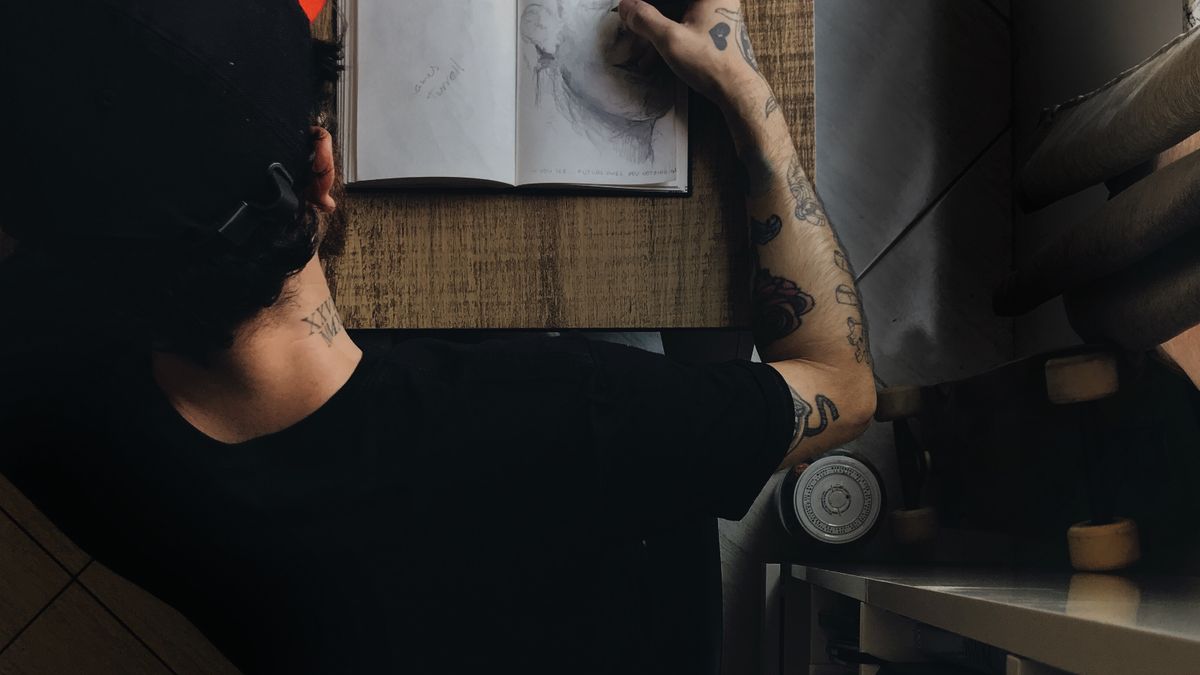
- Custom design time. For custom pieces, an artist may spend hours sketching, researching reference material, and revising a design before the appointment ever happens. The deposit compensates for that design time even if the appointment does not go forward.
- Lost booking opportunity. Once a slot is reserved for you, the artist has typically turned away other clients who wanted that same time. A no-show or last-minute cancellation means that time is simply lost.
- Commitment filtering. Requiring a deposit discourages casual, non-serious bookings and helps ensure the people on an artist’s calendar actually intend to follow through.
How Deposits Are Typically Applied
Deposit structures vary by studio, but a few patterns are common across the industry:
- Applied to the final cost. Most studios apply the deposit toward the total price of the tattoo, meaning you pay the remaining balance (total minus deposit) on the day of your appointment.
- Non-refundable by default. The overwhelming norm in the industry is that deposits are non-refundable if you cancel or fail to show up. This is standard practice, not a sign of a disreputable shop—it is disclosed in the majority of studio deposit policies specifically because it is expected to be enforced.
- Multi-session work. For large pieces requiring several sessions (a sleeve, a back piece, an extensive cover-up), some studios take a single deposit that carries across all sessions, while others require a smaller deposit for each individual session. Ask which model applies before you commit to a multi-session project.
- Transferable within a policy window. Some, though not all, studios will allow a deposit to be transferred to a new date if you reschedule with sufficient notice, even though it would not be refunded outright.
Typical Rescheduling Policies
Reschedule policies exist on a spectrum, but most professional studios draw a line based on advance notice:
- Adequate notice (commonly a matter of days, not hours): Rescheduling within the studio’s stated notice window will usually let you move your deposit to a new date without forfeiting it.
- Late notice or same-day changes: Rescheduling outside that window is frequently treated the same as a cancellation, meaning the original deposit is forfeited and a new deposit is required to rebook.
- Repeated rescheduling: Studios generally reserve the right to require a new deposit, or decline to rebook, after multiple reschedules from the same client, since repeated schedule changes have the same practical cost as a cancellation.
What Happens With No-Shows
A no-show—simply not appearing for a booked appointment without any communication—is treated more strictly than a cancellation at almost every studio. In addition to forfeiting the deposit, some studios will decline to book that client again, since a no-show represents a completely unrecoverable loss of paid time for the artist.
What Happens if the Studio or Artist Cancels
Policies should work in both directions. If an artist becomes ill, has an emergency, or otherwise needs to cancel your appointment, a professional studio will typically either apply your deposit in full to a rescheduled date or, in some cases, refund it, depending on the shop’s stated policy. If a studio cancels on you and simply keeps your deposit without offering a rebooking option, that is a legitimate reason to ask questions or dispute the charge with your payment provider.
Questions to Ask Before You Pay a Deposit
These deposit-specific questions fit naturally into the same conversation as the rest of your tattoo consultation, rather than being raised separately after you have already committed to a date.
- “Is the deposit refundable under any circumstances?”
- “How much advance notice do you need for a reschedule without losing the deposit?”
- “Does the deposit apply to the total cost, or is it a separate booking fee?”
- “If this is a multi-session piece, how does the deposit work across sessions?”
- “What happens if you (the artist) need to reschedule me?”
- “Is the policy written down anywhere I can review before I pay?”
How to Protect Yourself
Get the policy in writing wherever possible—a text message, email, or booking-platform confirmation is enough, and most professional studios already provide this automatically. Pay deposits by a method that gives you some recourse (a credit card typically offers more dispute protection than cash or a person-to-person payment app), and read the specific policy for your studio rather than assuming it matches a policy you have seen elsewhere, since terms genuinely vary shop to shop.
Guest and Traveling Artists Often Have Different Rules
Las Vegas regularly hosts guest artists who travel in for a limited window—sometimes tied to a convention, sometimes an independent guest spot at a local studio. Deposit policies for guest-artist bookings are frequently stricter than a studio’s normal policy, since the artist has a hard travel schedule and cannot simply offer another date the following week if you reschedule. If you are booking with a visiting artist, ask specifically whether the standard studio policy applies or whether the guest spot has its own terms, including what happens if the artist’s travel plans change on their end.
Digital Booking Platforms and Automated Policies
Many studios now handle scheduling and deposits through third-party booking software rather than cash or a simple invoice. These platforms typically display the cancellation window and refund terms directly in the booking flow, and may charge the deposit automatically at the time you confirm a slot. Reading that on-screen policy before confirming is worth the extra minute—once a booking platform has processed a non-refundable deposit, disputing it after the fact is harder than clarifying the terms up front, and the platform’s terms may differ slightly from what an artist tells you informally over social media messages.
Frequently Asked Questions
Can I get my deposit back if I simply change my mind?
Almost never. A deposit compensates the artist for reserved time and, for custom work, design effort already spent—both of which are real costs regardless of why a client backs out. Treat a deposit as a firm commitment, not a fully refundable hold.
What if the tattoo idea changes significantly between booking and the appointment?
This is common and usually fine, but tell the artist as early as possible. A minor change rarely affects the deposit or schedule; a major change (a small piece becoming a full sleeve, for example) may require a new consultation, a different time allocation, or an adjusted deposit, since the original booking was based on a different scope of work.
Is a verbal policy explained at booking legally binding?
Verbal agreements can carry weight, but they are much harder to enforce or reference later than a written policy. Whenever possible, ask for the policy in writing, even if it is just a text message summary, so both sides have the same understanding on record.
None of this is about distrust. Deposit and rescheduling policies are a completely normal part of how the tattoo industry operates, and asking about them clearly before booking is one of the simplest ways to have a smooth, surprise-free experience from consultation to finished tattoo.